

WhiteLabelUSV

Engine & Steering software

Available for evaluation & licensing

Connect software commands
to throttle and steering.

A software interface between your operator or navigation application and the vessel’s propulsion and steering hardware.
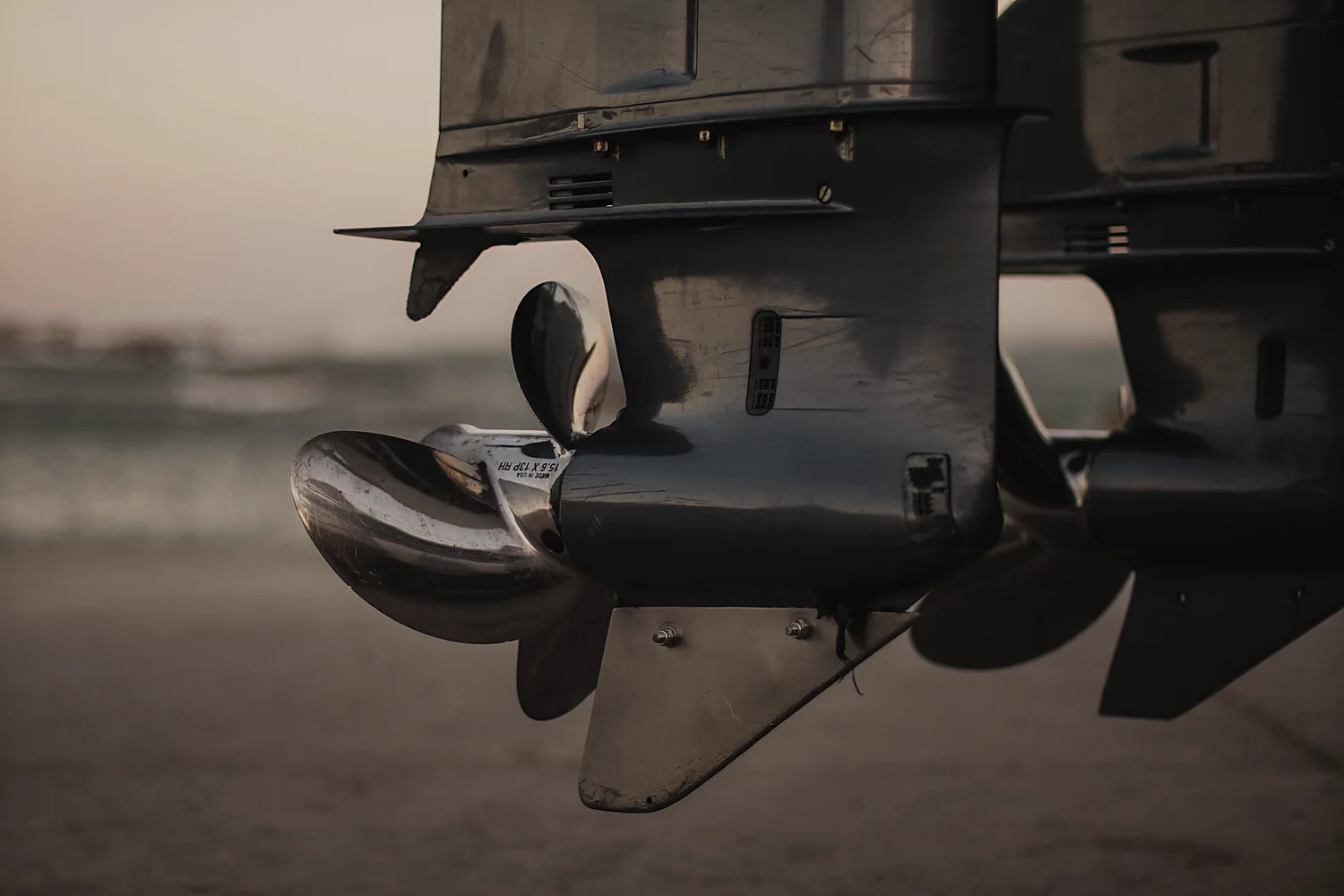
Illustrative propulsion hardware

Module guide

What it receives. What your systems receive.

What it is
A control layer between high-level software and vessel actuation.
Core input
Throttle and steering commands from operator, navigation or autonomy software.
Core output
Commands passed toward propulsion and steering through the selected hardware interface or adapter.
Simulation / real integration
SIM / REAL-compatible command behaviour supports software testing before final hardware actuation tests.

Where it sits

A defined interface inside your vessel system.

  1. 01

    Operator / navigation software

    Throttle and steering commands from operator, navigation or autonomy software.

  2. 02

    WhiteLabelUSV Engine & Steering

    The module’s processing and supervision layer.

  3. 03

    Propulsion & steering hardware

    Commands passed toward propulsion and steering through the selected hardware interface or adapter.

The problem it addresses

The command contract should stay predictable.

Simulation, real hardware and supervisory logic should share a consistent command interface. Engine & Steering separates high-level software from hardware-specific actuation, so adapters can change without rewriting the whole control path.

Core capabilities

  • Throttle command handling
  • Steering command handling
  • Deterministic command behaviour
  • SIM / REAL-compatible interface
  • Command-supervision support
  • Operator and autonomy integration
  • Hardware-adapter flexibility
  • White-label deployment
See an integration example

Integration example

The same high-level control workflow can be evaluated with a simulated control interface. Real hardware testing must then confirm limits, direction, feedback and failure responses.
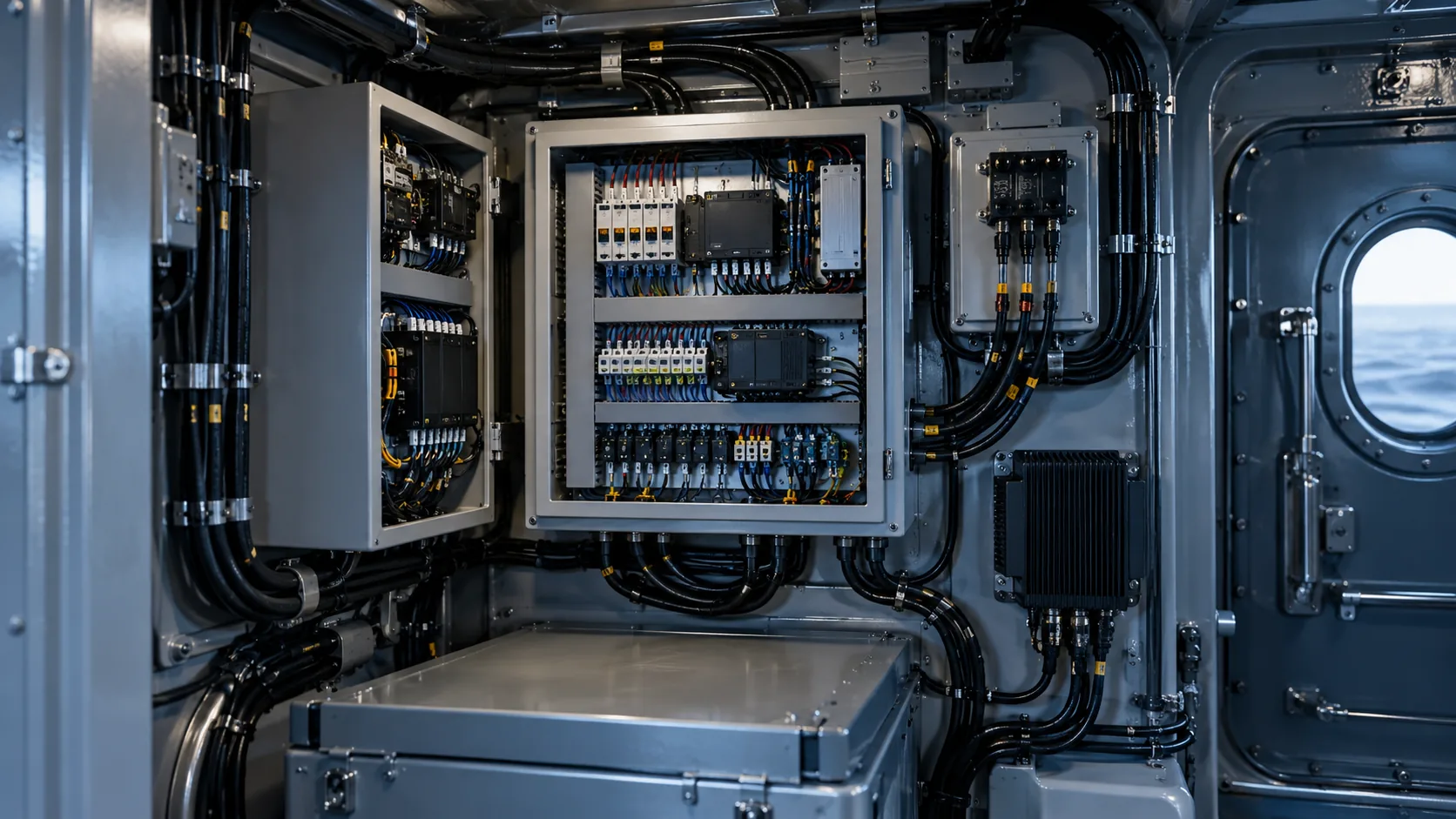
Illustrative marine electronics compartment
Vessel hardware · Software interfaces · Your applications

Integration Hardware

Control hardware. Available separately.

Stock electronics context

Illustrative electronics, not the WLUSV product
H-Bridge Control Interface

A hardware interface between a compatible controller and vessel actuation.

Explore H-Bridge ↗
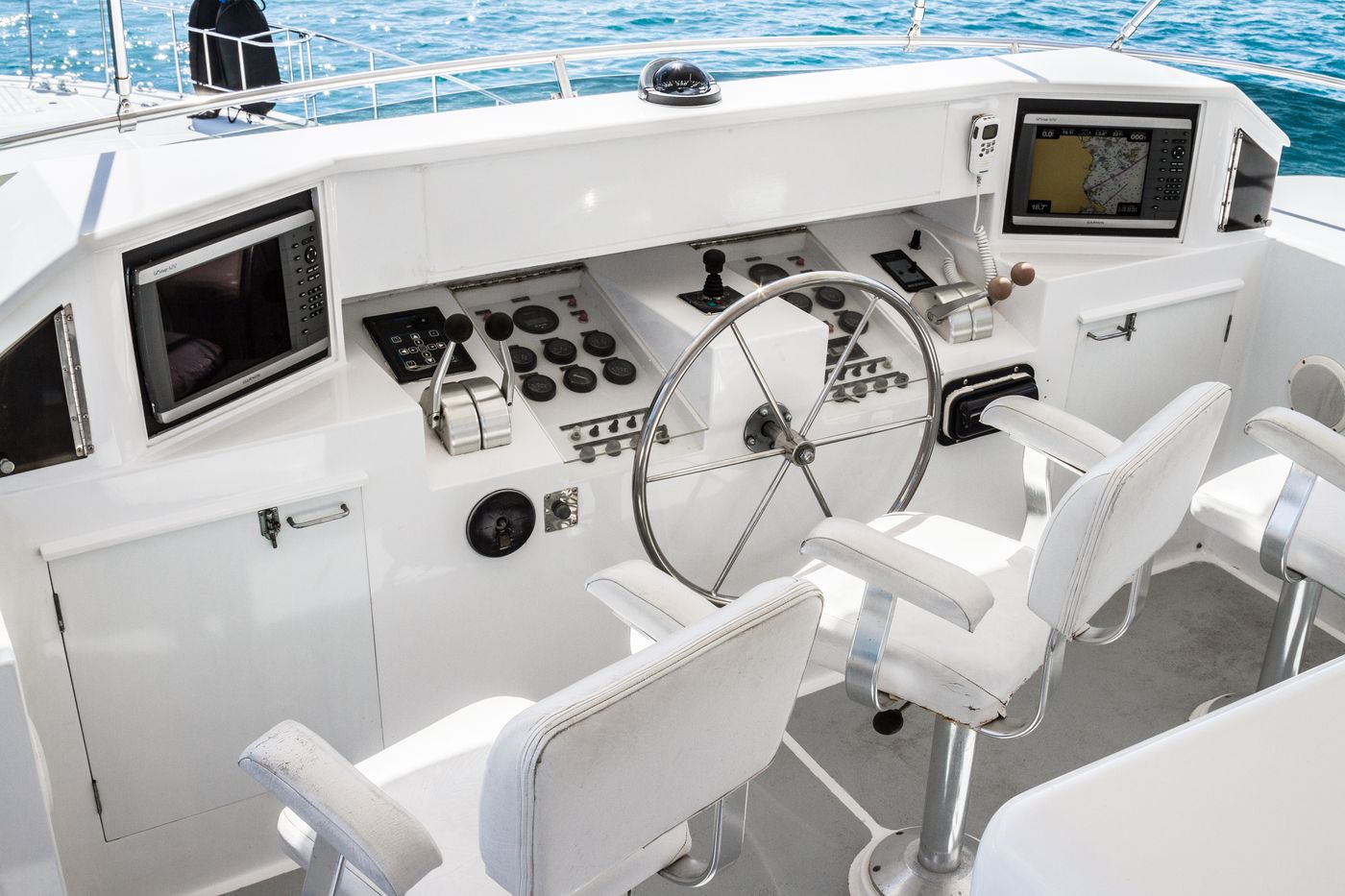
Stock vessel helm and control levers

Vessel-control context, not the WLUSV product

Throttle & Steering Control Set

Hardware for physical throttle and steering actuation.

Explore the control set ↗

Buy our hardware on its own, use your existing control system, or combine it with our software. We confirm the interfaces for your installation.

Evaluate your integration

Start with the actual interface.

Prepare
Share propulsion type, steering interface, feedback signals and required command limits. Define fail-safe behaviour and validate hardware actuation before vessel operation.
Confirm
Supported formats and transports, runtime and deployment requirements, output contract and any hardware-adapter work.
Test
Normal operation, invalid or stale inputs where applicable, interrupted connections and the required recovery behaviour.
Agree before production
Commercial licensing, integration responsibilities and acceptance criteria for the complete system.

Engine & Steering questions

Before you evaluate.

Does the module include propulsion or steering hardware?

The software module does not include hardware. Use suitable existing interfaces or discuss the optional H-Bridge Control Interface and Throttle & Steering Control Set for your installation.

Can we test before the vessel hardware is ready?

SIM / REAL-compatible behaviour supports earlier software testing. Final validation against actual hardware remains necessary.

What happens if the control link drops?

Fail-safe response must be defined for the complete vessel system, including hardware and supervisory logic. Do not assume a universal stop or hold response; agree and test the required behaviour.

Is 2ndHelm required for every integration?

Engine & Steering is an available control module; 2ndHelm is a separate operator-assurance layer in development. Required control sources and dependencies are assessed for your architecture.

Next: evaluation

See how Engine & Steering fits your system.

Evaluate the software against your own inputs and integration requirements.